How to dye your hair naturally: an effective step-by-step guide
Choosing a plant-based hair color can seem daunting when you're looking for long-lasting results and natural tones without resorting to harsh chemicals. For many women who care about organic cosmetics and the environment, choosing herbal dyes like henna, amla, and cassia represents a safe and sustainable solution. You'll discover the fundamental steps to achieving intense, luminous color that respects your hair's health, enhancing its natural beauty with select botanical ingredients.
Index
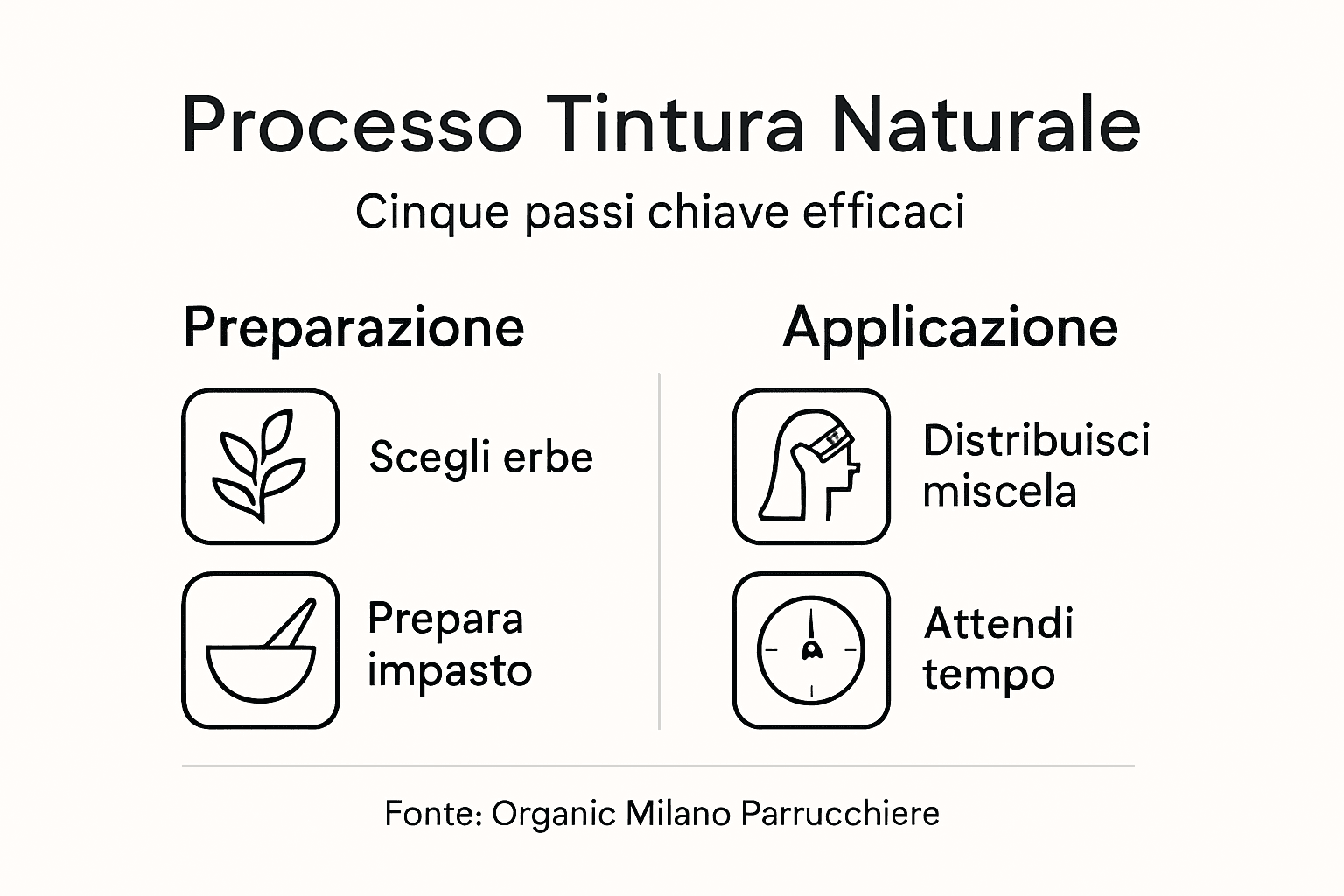
- Step 1: Choose the right plant-based ingredients
- Step 2: Prepare the natural dye mixture
- Step 3: Apply the mixture evenly to your hair
- Step 4: Let the mixture act for the necessary time
- Step 5: Rinse and check the final result
Quick Summary
| Key Point | Explanation |
|---|---|
| 1. Choose suitable ingredients | The selection of dyeing herbs should reflect your natural color and the desired end result. |
| 2. Prepare a smooth dough | Use a non-metallic bowl and mix until you get a creamy, lump-free consistency. |
| 3. Apply the mixture evenly | Distribute the mixture through your hair into four sections, massaging each strand for optimal coverage. |
| 4. Respect the exposure times | The waiting time varies between 30 and 90 minutes, depending on the color and herbs used; do not exceed 120 minutes. |
| 5. Rinse properly | Use warm water to rinse, massaging until the water runs clear; apply a final conditioner. |
Step 1: Choose the right plant-based ingredients
Choosing the right herbal ingredients for hair dye is a crucial step in achieving a natural, intense color that respects your hair's health. The perfect herbal color requires a careful selection of dyeing herbs that suit your hair type and the desired color result.
The most effective natural ingredients for hair coloring include:
- Henna: ideal for red and orange tones, strengthens and gives shine
- Indigo: perfect for dark and deep brown shades
- Cassia: for those looking for a neutral and volumizing effect
- Katam: excellent for intense brown colors
- Amla: ideal for strengthening and darkening hair naturally
When choosing herbal dyes, carefully consider your natural color and the desired end result. Some ingredients can be mixed to achieve more complex and customized shades. Combining multiple herbs allows you to create rich, natural color palettes.
Here is a comparative overview of the main dyeing herbs and their effects on hair:
| Dyeing herb | Tones obtained | Benefici aggiuntivic |
|---|---|---|
| Henna | Red, copper | Strengthening and shine |
| Indigo | Brown, black | Gray hair coverage |
| Cassia | Light blonde, neutral | Volume and softness |
| Katam | Dark brown | Natural chocolate tones |
| Amla | Brownish, dark | Stimulates growth |
The key to perfect herbal coloring is knowing the specific properties of each dyeing herb.
Pro tip: Always test on a small strand of hair to check the final result and assess any allergic reactions.
Step 2: Prepare the natural dye mixture
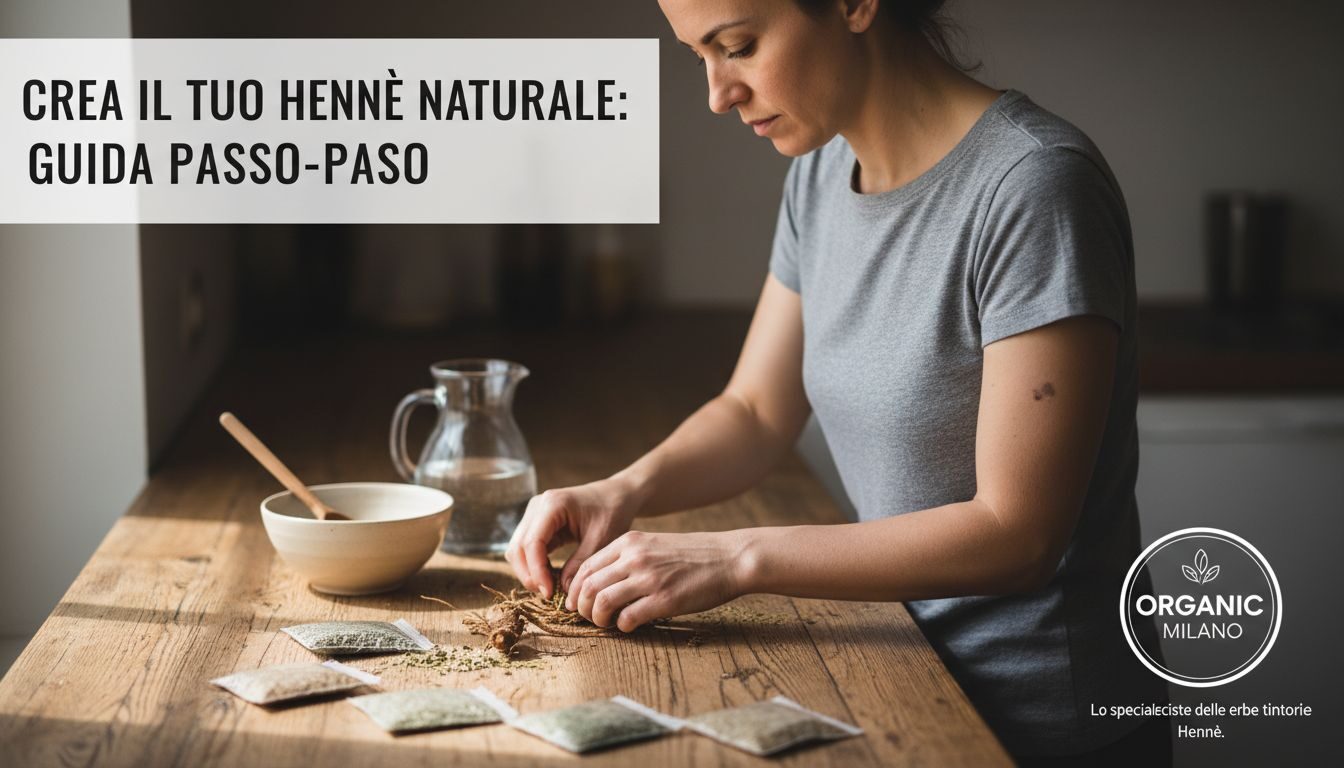
Preparing a natural hair dye mixture requires precision and attention to detail. Preparing the plant-based mixture means creating a homogeneous blend that will impart color and nourishment to your hair.
Here are the basic steps to create your dough:
- Choose one non-metallic bowl for the preparation
- Carefully measure the herbal dye powder according to the length of your hair.
- Add hot water or infusions such as tea
- Incorporate an acidic liquid (lemon juice or vinegar)
- Mix until you get a creamy consistency
Preparation requires some specific attention. The amount of powder varies based on the length and density of your hair. A professional trick is to achieve a consistency similar to thick yogurt, neither too runny nor too dry.
The key to a perfect dough is homogeneity and the absence of lumps.
It's important to mix all the ingredients thoroughly, ensuring there are no unincorporated particles. The mixture should have a uniform green-purple color, a sign that the ingredients are well combined.
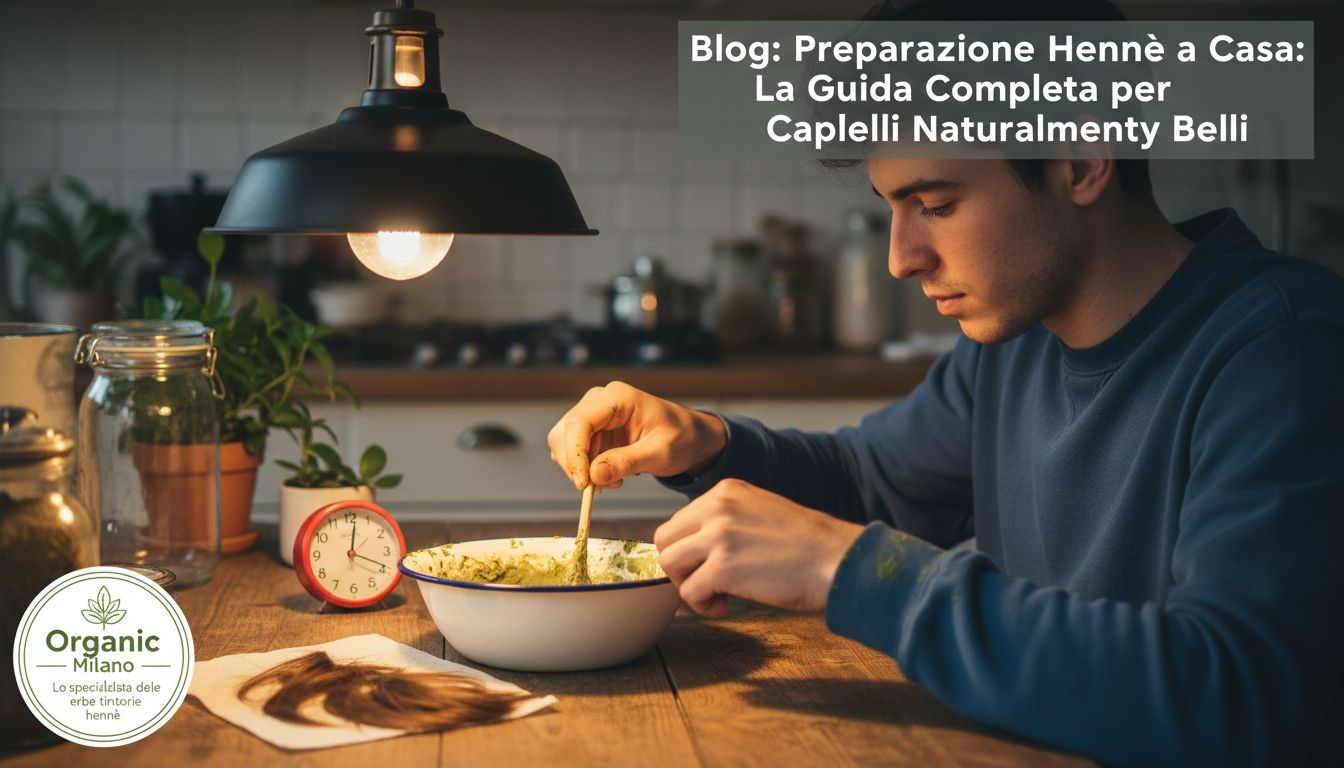
Pro tip: Let the mixture rest for 10-15 minutes before applying to allow the herbs to fully develop their dyeing properties.
Step 3: Apply the mixture evenly to your hair
Even application of plant-based dye is crucial for achieving a consistent, natural result. Taking care of your hair during the coloring process ensures perfect color distribution.
Here is the detailed procedure for applying the mixture:
- Wear protective latex or nitrile gloves
- Divide your hair into four main sections
- Start applying from the nape of the neck towards the ends
- Gently massage the mixture into each strand
- Make sure to cover every hair completely
Application requires precision and patience. Use a brush or gloves to evenly distribute the mixture, paying particular attention to tricky areas like the roots and ends of the hair.
The correct technique involves bottom-up movements to ensure total coverage.
When applying, check for any uneven areas or excessive buildup. The product should be distributed as evenly as possible for a natural, shiny finish.
Pro tip: Use an extra mirror to ensure the application is even across your entire head, including hard-to-reach spots like the back of your head.
Step 4: Let the mixture act for the necessary time
Processing time is crucial for achieving a perfect plant-based color. Lightening hair requires patience and attention during this crucial phase of the process.
Exposure times vary depending on several factors:
- Natural hair color
- Desired color result
- Type of dyeing herbs used
- Hair condition and porosity
- Final color intensity
On average, the processing time ranges from 30 to 90 minutes. For more intense shades, you can extend the processing time slightly. While you wait, cover your hair with a protective cap to keep the heat in and promote color absorption.
The longer you leave the mixture to act, the more intense the final color result will be.
However, don't exceed 120 minutes to avoid damaging the hair structure. Check the color development periodically, especially if it's your first plant-based dye.
Here is a summary table of the variables that influence the processing time of the vegetable dye:
| Variable | Influence on time | Effect on the final color |
|---|---|---|
| Natural hair color | Greater if very dark | More time for intense colors |
| Hair porosity | Porous hair absorbs faster | More vibrant color |
| Type of herbs used | Some take longer | Different reflections |
| Color lens | Strong shades require more exposure | Greater depth |
Pro tip: Use a timer to precisely monitor the processing time and prevent any overcoloring.
Step 5: Rinse and check the final result
The final rinse is a crucial step in preserving the health and beauty of your hair. Achieving a perfect blow-dry depends largely on the rinsing technique you use.
Here are the basic steps for proper rinsing:
- Usa warm water for the first rinse
- Gently massage your scalp
- Continue rinsing until the water runs completely clear.
- Avoid water that is too hot which could open the cuticles
- Apply a natural vegetable balm final
After rinsing, carefully examine the result. Dry your hair naturally or with a blow dryer on low heat to evaluate the intensity and uniformity of the color. Some variations are normal in plant-based dyes and contribute to a more natural effect.
The vegetable color will fully stabilize within 24-48 hours of application.
If the result doesn't match your expectations, don't worry. Natural dyes always have slightly different undertones and blend beautifully with your natural skin tone.
Pro tip: Take a photo of the result in different lighting conditions to accurately evaluate the color nuance.
Discover the natural beauty of perfect plant-based coloring
If you want to dye your hair naturally without sacrificing intense, long-lasting results, this step-by-step guide is just the first step to tackling this journey with awareness. The most common challenge is finding select plant-based ingredients and correctly preparing a natural paste that enhances color without damaging the scalp and delicate hair. Understanding the properties of Indigo or Cassia Henna is essential, but relying on professionals who share your commitment to health and environmental sustainability really makes a difference.
Trust Organic Milano Parrucchiere & BioShop natural eco-bio for personalized consultations and treatments using 100% natural plant-based dyes made with certified dyeing herbs. Discover how to put every step of your hair coloring process into practice by following professional advice and using only eco-friendly products without ammonia or harsh chemicals. Don't miss the opportunity to revitalize your hair with a green approach and enrich your beauty routine with our Ayurvedic treatments and natural conditioners available on the website https://parrucchieretintenaturali.it.
Visit Taking Care of Your Hair now to learn more about post-coloring maintenance and read the complete guide to the perfect plant-based color to transform natural dye into a true wellness ritual.
FAQ
What plant-based ingredients can I use to dye my hair?
To dye your hair naturally, you can use ingredients like henna, indigo, cassia, katam, and amla. Choose the ingredient based on your natural color and desired result, possibly creating blends for customized shades.
How do I prepare the natural dye mixture?
To make a natural paste, use a non-metallic bowl and thoroughly mix the herbal powder with hot water and an acidic liquid, such as lemon juice. Aim for a creamy, yogurt-like consistency and let the paste rest for 10-15 minutes before applying.
What is the recommended processing time for plant-based dye?
The processing time for a herbal dye generally varies between 30 and 90 minutes, depending on the natural color and the type of herbs used. Monitor the color development and never exceed 120 minutes to avoid damage to your hair.
How can I apply the mixture to my hair?
For even application, wear protective gloves, divide your hair into four sections, and apply the mixture from the nape of your neck to the ends. Make sure to completely cover every strand, gently massaging the mixture in, ensuring there are no exposed areas.
How do I rinse after dyeing?
To rinse your hair after application, use warm water and gently massage your scalp until the water runs clear. Then apply a natural plant-based conditioner to moisturize your hair and leave it shiny.
How can I check the final result of the vegetable dye?
After rinsing, dry your hair naturally or with a low-heat blow-dryer and check the intensity and evenness of the color. Remember that the color will fully stabilize within 24-48 hours of application.
Recommendation
- Step-by-step guide to perfect natural hair coloring
- Natural Hair Dyes: How to Face Summer and Their Benefits – Organic Hairdresser Milan
- Lightening Hair: Techniques and Benefits for Extraordinary Results – Organic Hairdresser Milan
- Herbal Hair Dyes (Herbal Dyes) – Organic Hairdresser Milan
Want to give your hair the strength it deserves? Book your personalized consultation at Organic Milano today . Find us at Viale Tunisia, 24 – Milan.
Book a consultation and find out how to find the color you want, without compromise.
For more hair care tips and articles, sign up for our newsletter and stay up to date with the latest news and advice.
Organic Milano Salon Herbs, Dyes, and Natural Products is here to offer you a unique and personalized beauty experience.
 Address: Viale Tunisia 24, Milan
 Contact us: 0039 348 6948736
 Website: Discover our special hair coloring offer
 Natural beauty awaits you!
Do you want to take advantage of our hairdressing salon 's exceptional offer?
Want to book an appointment for a herbal hair color , balayage , textured cut , a specific hairstyle , highlights, or even a rich, nuanced color? We're here to answer any questions! Don't hesitate to contact us at 348 6948736.